
Steps to Conduct Land Due Diligence in Nigeria
Investing in landed property is one of the most rewarding decisions in real estate, but it carries significant risks if proper due diligence is not conducted. This critical process helps you avoid legal, financial, and ownership complications that could jeopardize your investment. Here is a step-by-step guide to conducting land due diligence in Nigeria.

1. Confirm the Land’s Location and Accessibility
The first step in due diligence is inspecting the land to verify its location and accessibility. Ensure the land matches the seller’s description and is free from encroachments or disputes. This simple step can help you avoid costly surprises later.
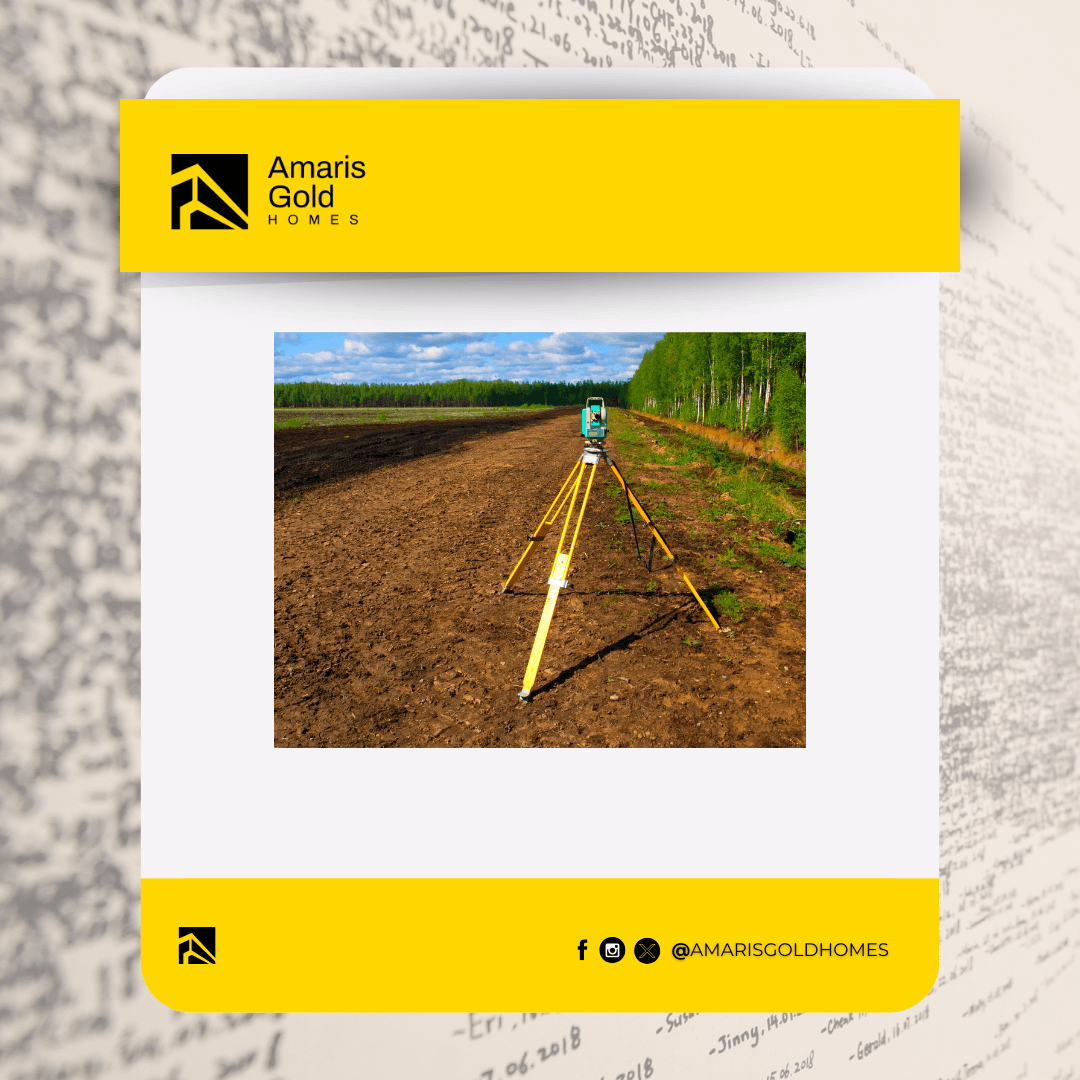
2. Request the Survey Plan
Ask for the land’s survey plan to confirm its size and boundaries. The survey plan also reveals whether the land is under government acquisition or free for private use. Always ensure a registered surveyor validates the plan.

3. Verify the Receipt of Purchase or Allocation Documents
If the land was purchased from a previous owner, request a purchase receipt. For land acquired from a government body or private estate, ask for the deed of allocation. While these documents provide preliminary proof of transfer or allocation, they must undergo further verification.

4. Investigate the Land Ownership History
Trace the land ownership history to confirm the seller’s legal right to sell. If the land has changed hands before, request copies of the Deed of Assignment or any previous title documents to establish a clear chain of ownership.

5. Check for Government Acquisition or Encumbrances
Visit the relevant state land registry or zoning authority to determine whether the land is under government acquisition or subject to legal encumbrances. Lands under government acquisition cannot be sold unless the acquisition status has been formally resolved.

6. Confirm Zoning and Permitted Use
Verify that the land’s zoning aligns with your intended purpose. Lands may be zoned for residential, commercial, or agricultural use. Using the land for an unauthorized purpose can result in penalties or revocation of rights.
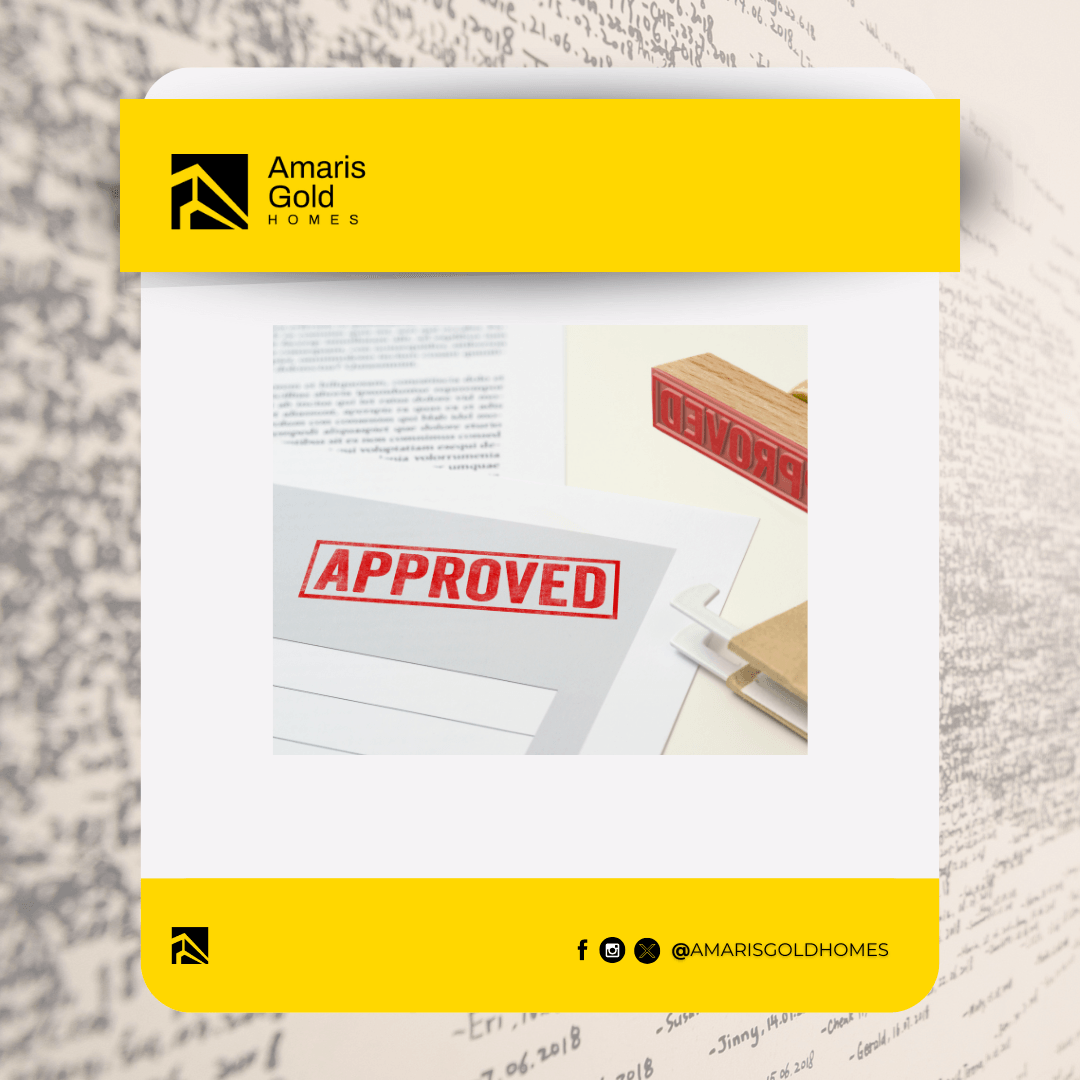
7. Verify Title Documents (Certificate of Occupancy or Governor’s Consent)
Confirm that the land has valid title documents, such as a Certificate of Occupancy (C of O) or Governor’s Consent. These documents establish the seller’s legal rights and must match the transaction details.
8. Conduct a Search at the Land Registry
The most crucial step in due diligence is conducting a comprehensive search at the land registry. This search verifies ownership claims, confirms the land is free of encumbrances, and ensures the property is properly registered.

9. Engage a Real Estate Lawyer
Before finalizing any transaction, hire a qualified real estate lawyer to review all documents and guide you through the legal processes. A lawyer can identify hidden risks and ensure compliance with Nigerian land laws.

10. Obtain and Register the Deed of Assignment
After completing all verification checks, ensure the Deed of Assignment is signed, obtained, and registered at the state land registry. Registration solidifies your ownership and protects you against future disputes.
Conclusion
Conducting due diligence is essential when purchasing land in Nigeria. Each step—from verifying location and documents to engaging legal experts and registering ownership—plays a vital role in safeguarding your investment.
Following these steps, you can minimize risks and secure a property with long-term value and growth potential. Skipping due diligence is a costly mistake that could lead to irreparable losses. Protect your investment by prioritizing this essential process.

Newsletter
Stay Ahead in Real Estate! Get market insights, exclusive listings, and expert tips in your inbox.
Join our community of savvy investors.
Subscribe now!
© 2026 Amaris Gold Homes - All rights reserved.


